Plumbing and Pipefitting Certification
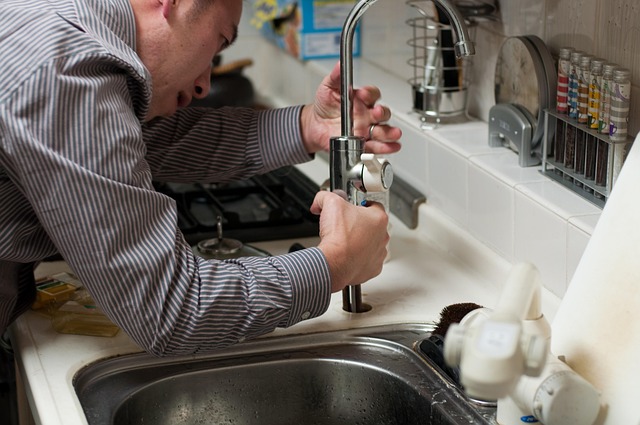
If you are interested in a career in plumbing and pipefitting as a military veteran or military spouse, you don’t have to rely solely on the GI Bill. Many opportunities offer training and certification in fluid and gas systems for technicians, installers, and owners/operators.
Plumbing and Pipefitting Training and Certification
Commercial and residential properties alike require constant clean water delivery and sanitary waste disposal, keeping plumbing contractors busy year-round. Many business owners take plumbing for granted until a situation requires repair or correction.
Demand for skilled pipe trades workers is high across commercial and residential-based services. If you’re transitioning out of military life and want a high-demand, hands-on job, this career field is worth considering.
Schools and Plumbing Training
Schools offering accredited piping programs include, but are not limited to:
- College of Southern Nevada (Las Vegas, Nevada) offers career certificates and associate coursework in Plumbing Technology.
- Northern Virginia Community College (Annandale, Virginia) offers options in “industrial technology”.
- Milwaukee Area Technical College (Milwaukee, Wisconsin) offers a technical diploma in Plumbing, along with state-indentured apprenticeship classroom courses.
- Columbus State Community College (Columbus, Ohio) offers an Associate of Applied Science in Skilled Trades Technology – Plumbing, along with a Plumbing Apprenticeship Readiness Certificate.
- Wake Technical Community College (Raleigh, North Carolina) offers diplomas and certificate pathways in Plumbing through its skilled trades division.
>> Find opportunities with job recruiters and staffing companies looking to assist veterans and military spouses. Get started today.
Plumbing and Pipefitting Career Options
Piping includes servicing fluid and gas equipment in residential, light commercial, and heavy industrial settings, with paths that move from entry-level field work to owner/operator opportunities. Your career options in this field include, but may not be limited to:
- Entry-Level Residential Service Plumber. Install domestic drainage lines, run copper water piping, and replace gas water heaters.
- Commercial Pipefitter. Cut, bevel, thread, and rig carbon steel pipe spools for boilers and commercial cooling towers.
- Medical Gas Systems Specialist. Installing and brazing hospital life-support gas piping under clinical vacuum and gas safety codes.
- Field Supervisor / Mechanical Foreman. Managing fitter crews, coordinating crane rigging drops, and verifying code compliance on active sites.
- Mechanical Project Estimator. Reviewing engineering schematics, calculating takeoffs from isometric drawings, and pricing piping bids.
- Construction / Facilities Project Manager: Overseeing piping subcontractors, coordinating mechanical room layouts, and managing utility plant overhauls.
- Independent Plumbing Contractor / Business Owner: Launching a licensed plumbing firm, managing service trucks, and bidding on municipal piping jobs.
How Long It Takes to Get Certified in Plumbing and Pipefitting
Backflow Prevention Tester Certification
To test cross-connection backflow assemblies, you must pass an approved state practical exam. Preparation and testing typically take 3 days to 2 weeks.
Vocational Certificates and Diplomas
Standalone technical school programs focus strictly on core pipe cutting, soldering, and basic drainage codes. These run 6 to 12 months.
Associate of Applied Science Degrees in Plumbing Technology
Community colleges combine hands-on pipe shops with physics and drafting coursework, generally requiring two academic years, roughly 18 to 24 months to finish.
Registered Apprenticeships
Union or association programs combine paid work under a journeyman with evening classroom hours and take 4 to 5 years and roughly 8,000 to 10,000 documented field hours.
State Licensing
Most states require 4 to 5 years of documented, supervised field experience before an apprentice can sit for a state journeyman or master plumbing exam.
Paying for Plumbing and Pipefitting Certification
Active-duty personnel preparing to retire or separate from military service can pay for piping certifications through the Department of Defense SkillBridge initiative.
SkillBridge allows troops to spend their final six months of service training with approved civilian employers or labor organizations while drawing their standard military pay and housing allowances. One example? The United Association Veterans in Piping program conducts an 18-week, full-time class in pipefitting and welding at select military bases.
The program charges zero tuition, leaves GI Bill benefits untouched, and guarantees graduates placement into a local union apprenticeship upon discharge.
In some cases, industrial piping firms and commercial mechanical contractors run their own SkillBridge internships, putting transitioning troops on job sites alongside seasoned mechanics.
Active-duty SkillBridge participants still get military paychecks, removing the living-expense hurdle that often disrupts trade school enrollment.
Veterans who choose civilian trade schools or registered apprenticeships can use the Post-9/11 GI Bill or apply to the Veteran Readiness and Employment program to cover tuition or collect a monthly housing allowance while learning on the job. Program guidelines may change; check the most current options and offerings before you commit.
SpouseWorks Options
Military spouses find corresponding support through the Department of Defense SpouseWorks portal on Military OneSource, designed to counter the employment hurdles caused by PCS moves and other military relocations.
Eligible spouses receive financial assistance, including help with paying for technical credentials. These may include qualifying trade school programs and plumbing certifications.
The SpouseWorks program includes support from what used to be called the Military Spouse Employment Partnership (MSEP). Now functioning under the SpouseWorks name, the former MSEP program links spouses to mechanical contractors, property managers, and facilities firms that operate across multiple military communities.
>> Find opportunities with job recruiters and staffing companies looking to assist veterans and military spouses. Get started today.

